

What Makes a Print Design Effective?
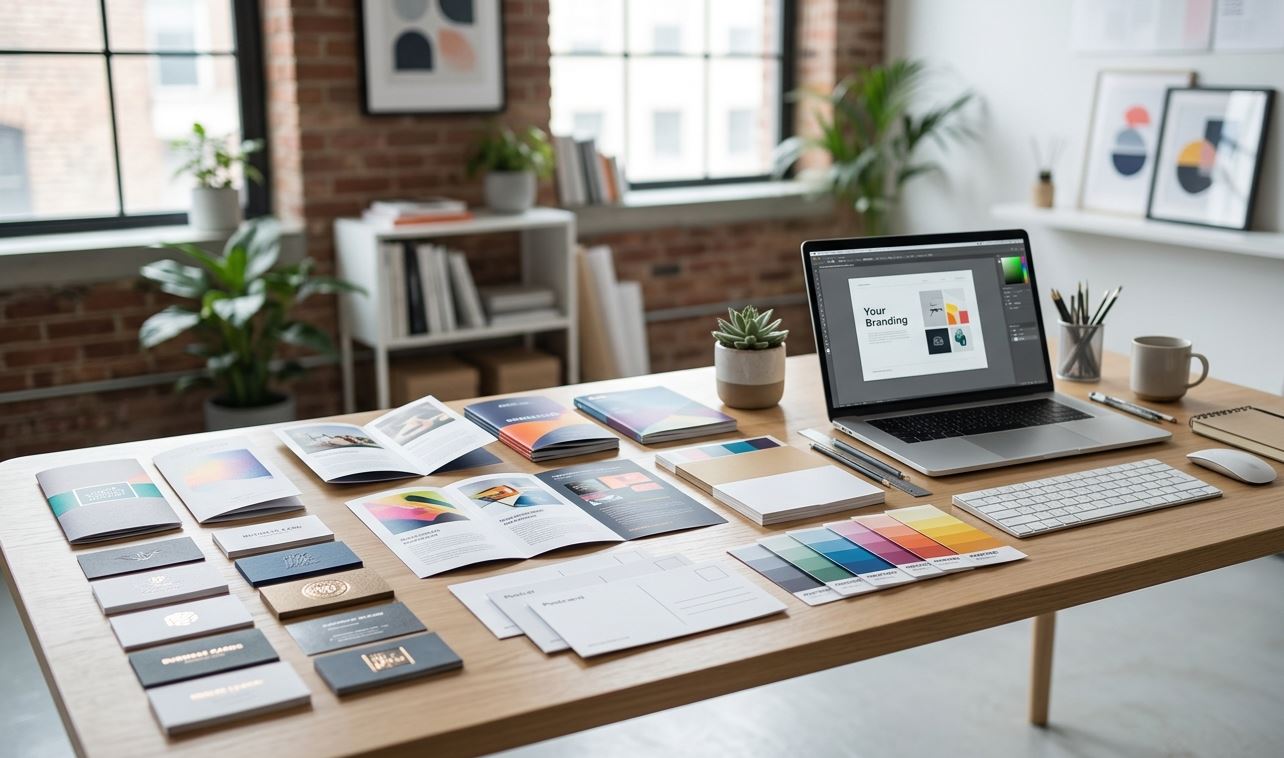
A well-designed printed piece does more than look attractive—it communicates a message, captures attention, and encourages action. Whether it's a business card, brochure, postcard, banner, or direct mail piece, effective print design helps businesses connect with customers and make a lasting impression.
Unfortunately, many marketing materials fail to achieve their goals because they prioritize aesthetics over communication. The most successful print designs combine visual appeal with strategic messaging to create materials that are both attractive and effective.
Start With a Clear Purpose
Before choosing colors, fonts, or images, it's important to define the purpose of the printed piece.
Ask yourself:
- What message am I trying to communicate?
- Who is my target audience?
- What action do I want the reader to take?
- Where will the printed piece be distributed?
A clear objective helps guide every design decision and ensures the final product supports your marketing goals.
Make Your Message Easy to Understand
One of the biggest mistakes in print design is trying to communicate too much information at once.
Effective print materials focus on a primary message and present information in a way that is easy to read and understand.
Consider:
- Using concise headlines
- Breaking information into sections
- Prioritizing key details
- Avoiding unnecessary clutter
When readers can quickly understand your message, they are more likely to engage with your business.
Use Strong Visual Hierarchy
Visual hierarchy refers to the arrangement of design elements in a way that naturally guides the reader's attention.
An effective design typically includes:
- A clear headline
- Supporting information
- Visual elements that reinforce the message
- A call-to-action
By directing the reader's eye through the design, businesses can improve readability and increase engagement.
Choose Readable Typography
Fonts play a significant role in how people perceive and interact with printed materials. When selecting typography:
- Use easy-to-read fonts
- Limit the number of font styles
- Maintain consistent spacing
- Ensure text is large enough to read comfortably
Even the most beautiful design can fail if customers struggle to read the information.
Maintain Consistent Branding
Your printed materials should align with your overall brand identity.
Consistency helps customers recognize and remember your business. Elements that should remain consistent include:
- Logo usage
- Brand colors
- Typography
- Messaging style
- Visual tone
Whether someone receives a business card, brochure, or promotional item, they should immediately recognize your brand.
Use High-Quality Images and Graphics
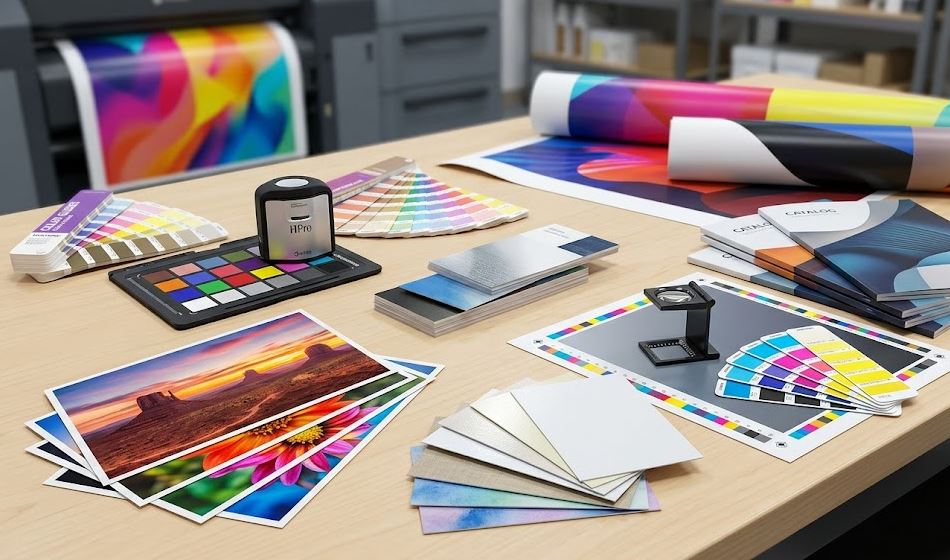
Low-resolution images can make printed materials appear unprofessional. For best results:
- Use high-resolution images
- Choose visuals that support the message
- Avoid overly generic stock photography
- Ensure graphics are optimized for print production
Professional imagery can significantly improve the overall appearance and credibility of your marketing materials.
Don't Overcrowd the Design
White space is one of the most valuable design tools available. Giving content room to breathe helps:
- Improve readability
- Highlight important information
- Create a cleaner appearance
- Direct attention to key messages
A cluttered design can overwhelm readers and reduce the effectiveness of your marketing efforts.
Include a Clear Call-to-Action
Every printed marketing piece should tell readers what to do next.
Examples include:
- Call for a quote
- Visit your website
- Schedule a consultation
- Visit your store
- Contact your team
Without a clear call-to-action, potential customers may not take the next step, even if they are interested in your products or services.
Consider the Printing Process During Design
Great print design doesn't end on the computer screen. Designs should be created with the final printed product in mind.
Important considerations include:
- Bleed and trim requirements
- Color settings
- Paper stock selection
- Folding specifications
- Finishing options
Working closely with a professional printing company can help prevent costly mistakes and ensure the final product looks as intended.
Why Professional Graphic Design Matters
While design software has become more accessible, creating effective print materials still requires experience and expertise.
Professional designers understand how to balance:
- Branding
- Readability
- Marketing objectives
- Print production requirements
The result is a printed piece that not only looks professional but also supports business goals and drives results.
People Also Ask
Conclusion
Effective print design is about more than creating something that looks good. It involves communicating a clear message, supporting your brand, and encouraging readers to take action. By focusing on readability, visual hierarchy, branding, and quality production, businesses can create marketing materials that deliver real results.
At Gibson Printing, we help businesses throughout St. Peters, St. Charles, O'Fallon, Wentzville, Lake Saint Louis, and surrounding communities create professionally designed marketing materials that make an impact. From graphic design services to high-quality printing, our team is committed to helping businesses present their brand with confidence and professionalism.
Whether you need business cards, brochures, banners, booklets, or promotional materials, Gibson Printing can help bring your ideas to life. Contact us today to learn more about our graphic design and printing services.
